


The Blurred Cross
A Writer’s Difficult Journey with God
By Richard Bauckham
Baker Academic, 208 pages, $21.99
Among Richard Bauckham’s many books, The Blurred Cross is unique. It is not a scholarly work that tackles the difficult questions of theology. Nor does it open new frontiers of biblical interpretation. Rather, it is a rare glimpse into the soul and experience of a man of deep faith as he encounters a life-changing crisis.
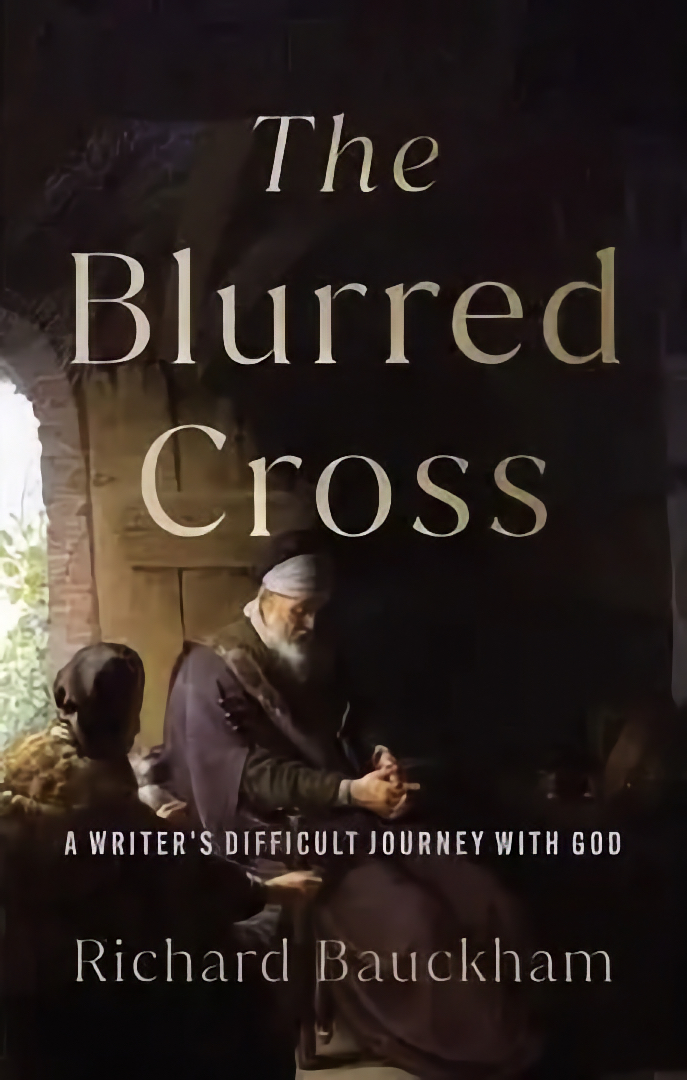 In the first section of the book, Bauckham frames his life for his readers in relation to its most important facet: reading. The importance of reading to his identity, habits, and spirituality cannot be overstated. To such a man, the threat of blindness is a fate worse than death. The majority of The Blurred Cross recounts Bauckham’s experience of discovering his potential impending blindness and his journey through recurring bouts of hope and despair as he navigates the healthcare system in search of a cure.
Much of the story that Bauckham tells is all too familiar to any person who has encountered an uncommon, life-altering diagnosis. He writes of encounters with ignorant doctors who imperiled his eyesight further, long delays in treatment, the terror of being left in ignorance. Like many with poorly understood health conditions, in this part of the book, he quite understandably falls into the trap of excessive detail to make his experience heard and understood. This section of the book articulates Bauckham’s feelings of despair and fear.
For the reader awaiting a simple resolution or declaration of the comfort to be found in the goodness of God, which delivered hope in a time of suffering, this section will be difficult. Instead of the familiar narrative arc of suffering and comfort, Bauckham turns (predictably for such a scholar) to the study of theology to understand his affliction. The center of his personal account is a chapter of theological exploration of the providence and sovereignty of God. In this chapter, there is no articulation of personal comfort derived from the study, but rather a scholar’s search for the right placement of his experience in the person and nature of God.
After this theological study, the narrative concludes with the account of the partial saving of his eyesight (throughout the book, Bauckham makes no secret of this ending). After this narrative, Bauckham includes poems that he wrote throughout his time of affliction. It is here that the deep spiritual and emotional riches of the book, promised throughout, come to fruition. In the poems are the suffering, the questions, the grappling with loss, the little moments of comfort and beauty, the savoring of every sight as a gift of God. It is in these poems that the fruit of Bauckham’s suffering and the questions raised in the theological prose about divine providence are answered.
This book is well worth reading; like the Book of Job, it looks at the minute sufferings of the individual and places them in their proper place within the infinite nature of God. It gives voice to the terrible hope and fear of grief in illness, to the beauty and the suffering. Not only does Bauckham grant us a window into his spiritual life; he also gives voice to the complex emotional and spiritual experience of those who suffer and trust in God.

The Rev. Hannah Armidon, PhD is a priest in the Diocese of Albany. She lives with her husband, the Rev. Robert E. Armidon, many fruit bushes, and several carnivorous plants.
