


Henry VIII dissolved England’s monasteries in the 1530s. But under the influence of the Oxford Movement, religious orders developed across the Anglican Communion, including within the Episcopal Church, with monks and nuns taking on a wide variety of ministries.
This guide focuses on traditional religious life—communities in which members take a vow of celibacy and live a communal life. The Episcopal Church also has dispersed orders, whose members may be celibate or married and do not usually live together.
The Community of Divine Love
San Luis Obispo, California
cdlmonks.org
There are two members: one brother, a deacon, and one sister, a priest. They are not taking new entrants, but they welcome oblates, who commit to sharing an adapted form of their life.
Their primary ministry is working with the incarcerated. They go into prisons to minister to the incarcerated. “It’s this incredible experience of witnessing transformation. The men I work with have been there a long time, and they want to change,” said Sr. Greta Ronningen.
They have a program called Divine Companions, wherein incarcerated people develop a rule of life and prayer with guidance from Sr. Greta and Br. Dennis Gibbs. They have written books designed to help prisoners with their spiritual life, which they send for free.
Sr. Greta also does supply ministry at local parishes. They have online prayer groups, and guests may join for in-person worship if they call ahead.
The Community of St. John Baptist
Mendham, New Jersey
csjb.org
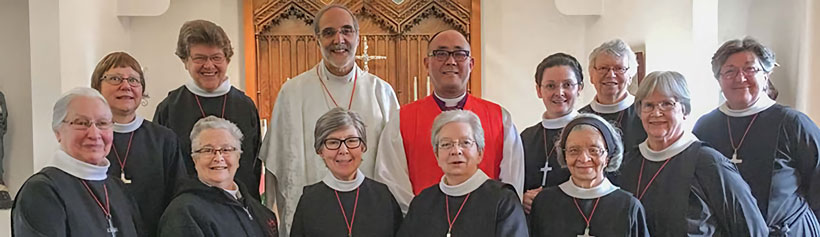
There are 12 sisters; 11 are in life vows, and one is a novice. Two are priests, and one is preparing for ordination.
Their primary ministries are hospitality and spiritual direction. However, they are inwardly focused. “The kitchen and the chapel are the center of our lives,” said Sr. Monica Clare.
They accept women ages 24-60 as potential entrants. They have both associates and oblates. They welcome guests as individuals or as groups to stay in their retreat house. Guests may attend services but should inquire by email first.
One sister leads pilgrimages to England, Ireland, and Scotland. Some preach at local parishes. Another grows food in the convent’s garden, which is donated to food pantries.
The Community of St. Mary, Southern Province
Sewanee, Tennessee
communityofstmarysouth.org
The American house, founded by the Episcopal Church’s oldest order, has six sisters: three in life vows, one initially professed, one novice, and one postulant. One sister is a priest. There is also one sister in the Philippines. The sisters at their mother house, in New York, joined the Anglican Church in North America in 2021.
They are Benedictines, which is a major part of their identity in ministry. “Benedict is for all Christians, not just one denomination. Benedictine spirituality is for everyone, not just nuns,” said Sr. Hannah.
“There’s a huge hunger that came out of 2020,” she added about a more intense desire she sees for spirituality.
Their age range for entrants is 20 to around 45. CSM South welcomes younger women, and several recent entrants have been under 30. However, they expect women enrolled in college to finish their degrees before entering. Women who are already priests, or who are preparing for ordination, are welcome. Ordained sisters are permitted to exercise sacramental ministry as novices. In addition to in-house formation, sisters attend Sewanee, either the Education for Ministry program or the M.A. in theology program.
Guests are welcome to make individual, self-guided retreats.
 The Community of the Transfiguration
Cincinnati
ctsisters.org
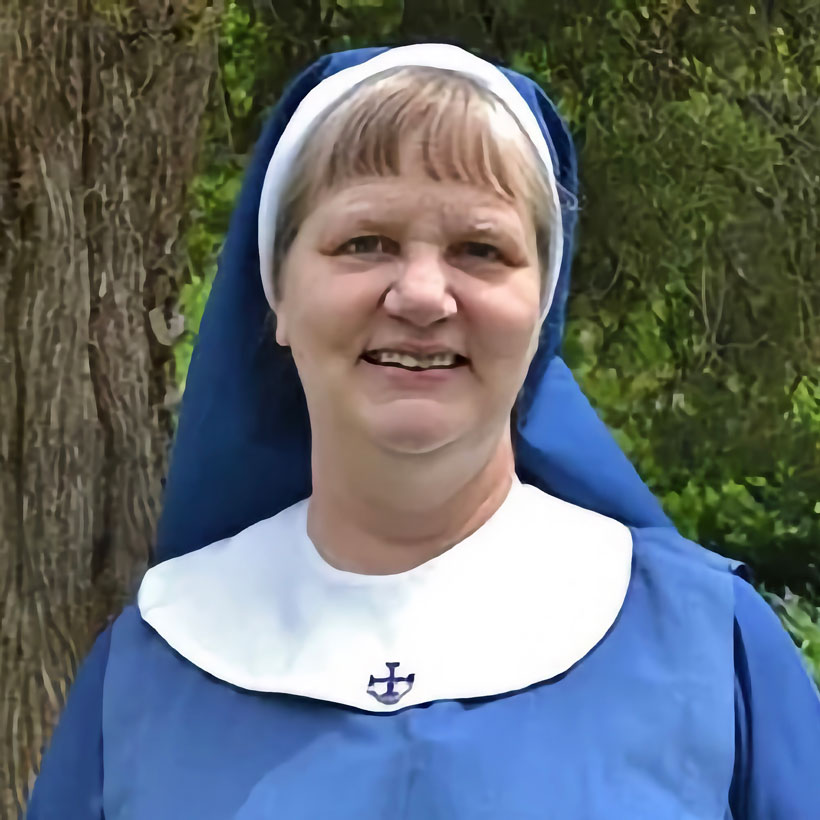
There are ten sisters, all in life vows. One sister is a priest.
“Prayer is ministry. Prayer makes a difference,” said Sr. Diana Doncaster. The sisters participate in and encourage others to participate in the International Fast for Life, which began in the nuclear disarmament movement.
They welcome new entrants, and they have associates and oblates. Ordained women are welcome. Discernment for ordination follows life vows.
They have a retreat center, and individuals and groups are welcome. Groups may bring a retreat leader.
The sisters oversee Bethany School, which is K-8. They are trying to strengthen its Episcopal identity and relationship with the Diocese of Southern Ohio. “We’re hoping Bethany will be the first place Episcopal parents look for,” said Sr. Diana.
Companions of Mary the Apostle
West Park, New York
companionsofmarytheapostle.org
There are two sisters, who cofounded the order in 2013. They have had people interested in joining in the past, but ultimately none stayed. They would potentially be open to someone entering now. They have a small number of oblates.
“We’ve gotten more contemplative; our primary work is prayer and the Office,” said Sr. Shane Phelan.
But they also continue to serve in the community, especially through supply priest work. “We’re trying to ease the load around here,” Phelan said. They host recovery retreats for people in 12-step programs. As is common for 12-step programs, these retreats mention a higher power without being explicitly Christian. They lead general Christian retreats as well.
While the order is not Episcopal, both sisters are Episcopal priests, and they have a strong relationship with the Diocese of New York.
The Order of the Holy Cross
West Park, New York
holycrossmonastery.com
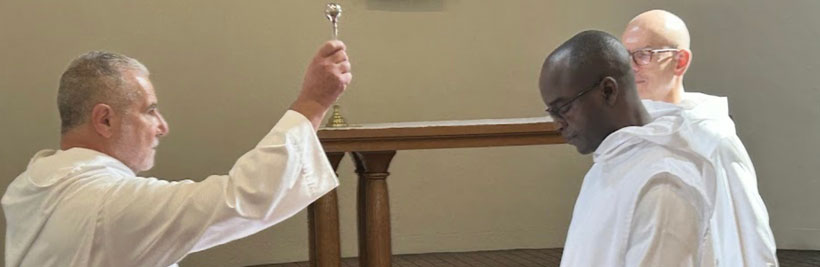
The American house has 19 brothers; 14 are in life vows, two are initially professed, two are novices, and one is a postulant. The order expects another postulant in late November.
Their primary ministry is hospitality. They welcome guests as groups or individuals, and groups may bring their own retreat leader. “There’s a difference between a retreat center and a monastic guest house, in times of silence. It’s not filling the time with busyness,” said Br. Randy Greve.
Brothers lead retreats at parishes. One brother is currently rector at a local parish. They make a variety of items, including incense, and they tend bees for honey. They also do spiritual direction, including for seminarians at Yale Divinity School.
They accept men ages 25-50 as potential entrants, and they welcome associates.
 The Order of Julian of Norwich
White Lake, Wisconsin
orderofjulian.org
This order began in 1985 in Connecticut before moving to Waukesha, Wisconsin. As Waukesha expanded, the sisters moved to White Lake to be in a more remote, quiet environment. There are two sisters. The order previously welcomed men, but became a women’s order in 2021.
“Our thinking about prayer is filtered through Julian’s idea of love,” said Mother Hilary Crupi. “It’s extremely plain and just offered. It’s not twisting God’s arm.”
They offer a public Thursday evening Eucharist that began when several local parishes were without a priest, and they have a Sunday service. Interested visitors should call ahead, however, as the sisters may not always be available.
The sisters grow hay and make soap. They have one external event, JulianFest, which occurs each year in southern Wisconsin and is dedicated to understanding the faith through the teachings of Julian.
They accept new entrants, and welcome both oblates and associates.
The Order of St. Anne
Arlington, Massachusetts
chapelofstanne.org
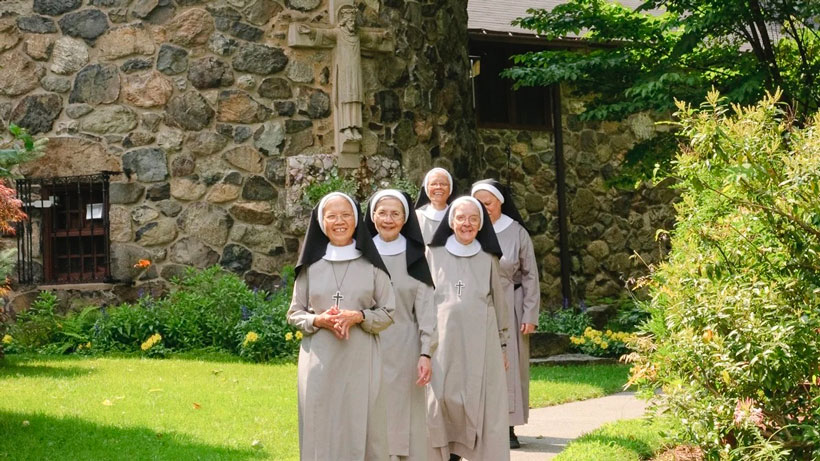
There are four life professed sisters and they are not taking new entrants.
“The sisters pledge themselves to the service of God and to the absolute centrality of God’s love,” said Sr. Ana Clara.
“Our main ministry is prayer and hospitality,” she said. They sponsor Bethany House, a retreat house in Arlington that offers space for individual and group retreats, as well as the occasional programmed retreat. It is ecumenical; the current director is a United Church of Christ minister.
Guests are welcome but should call ahead.
The Order of St. Helena
North Augusta, South Carolina
osh.org
There are nine sisters, all in life vows. Four sisters are ordained, and they welcome associates.
They produced the St. Helena Breviary, which is an inclusive-language book for daily prayer, and they are revising it.
Supporting women in the church is a large part of their ministry, through spiritual direction, offering retreats, and praying for women discerning their vocation to different kinds of ordained ministry. One sister writes icons.
Visitors are welcome, although they should call ahead.

St. Gregory’s Abbey
Three Rivers, Michigan
saintgregorysthreerivers.org
There are eight brothers. Six are in life vows, and two are postulants. Three are priests. They have a confraternity and oblates.
They are contemplatives, and their ministry is prayer. “We’re offering it on behalf of basically everybody—for the needs of the world,” said Br. Andrew Marr.
They welcome guests. “Come spend time joining us in that ministry of prayer,” said Br. Andrew.
An important ministry is offering sacramental confession.

The Society of St. Francis and the Community of St. Francis
San Francisco
ssfamericas.org
communitystfrancis.org
This house is part of a large order of Anglican Franciscans that has houses around the world, The American community has six brothers, four who are in life vows, and two novices. Two are priests. One brother is in New York City. They accept new vocations.
“The Franciscan charism is peace and care for creation and social justice,” said Br. Clark Berge.
Brothers work in various ministries. The novices and another brother are at a soup kitchen run by Roman Catholic Franciscans. Another participates in Open Cathedral, which is an outdoor service primarily for homeless people. Another does ministry for LGBT people. One brother is highly involved with a local parish and has been a vestryman. The ordained brothers do supply ministry.
“We’re eager to share Franciscan spirituality with the Episcopal church. I think we speak the language the Episcopal Church speaks,” said Br. Clark.
The Community of St. Francis, a related women’s order, has two sisters, and is also based in San Francisco. It welcomes guests at its house in the Mission District, and offers weeklong residential immersions in Franciscan spirituality.
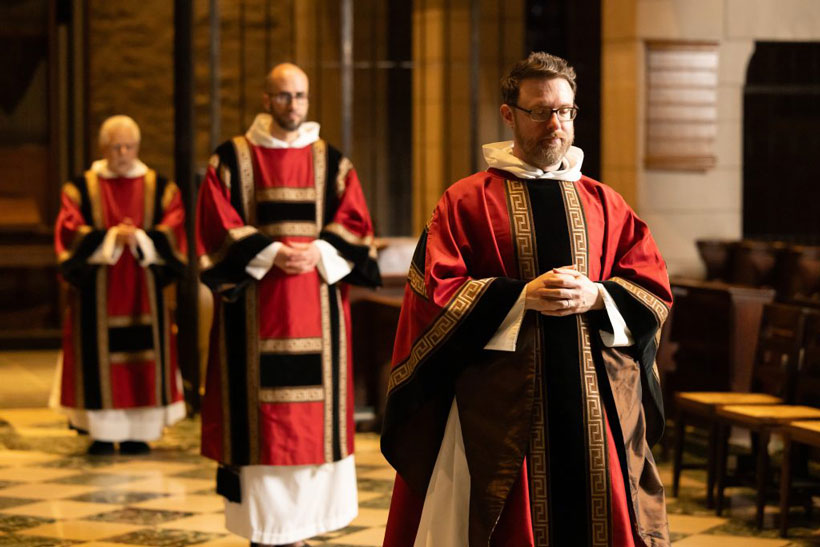
The Society of St. John the Evangelist
Cambridge, Massachusetts
ssje.org
The American house has 11 brothers: nine in final vows, one initially professed, and one novice. Six brothers are priests. There is one brother in Japan. They have an associates program.
They accept men as entrants from ages 22 to 45. Men who are already priests would be permitted to exercise sacramental ministry once they are novices. Otherwise, discernment for ordination would only begin after life vows.
“We’re both contemplative and apostolic,” said Br. Lain Wilson. Preaching and teaching is a large part of their work. Brothers go out to parishes to lead quiet days and retreats. The monastery also hosts programmed retreats, as well as offering space for self-guided retreats.
Their chapel is open during the day, and visitors are welcome to attend public worship every day except Monday. “We’re a blend of Anglo-Catholic and evangelical,” said Br. Lain. “We really believe in a personal relationship with Jesus.” Some of their services are livestreamed. They also have a large collection of sermons available on their website.
The Society of St. Margaret
Duxbury, Massachusetts
There are 12 sisters. Two are initially professed, and three of the sisters are priests.
“Silence is incredibly nourishing and freeing,” said Sr. Kristina Frances about the life of a contemplative. Their ministry is hospitality. Guests are welcome to come as individuals or groups, and groups may bring a retreat leader. Some sisters also go out and lead retreats or quiet days.
They are accepting new entrants. Their age range is 21-45, but in practice, they will consider older women, and they would prefer not to take women in their 20s. “There’s a sense of having lived enough of life, enough to say God is calling me to more,” said Sr. Kristina Frances.
Visitors are welcome to attend daily services if they call ahead.
The Teachers of the Children of the Living God
Tucson, Arizona
There are two sisters, one of whom is in nursing care. They are not accepting new entrants.
“My faith and my prayer life is extremely important,” said Sr. Teresa Rose Powless. “I get a lot of people who want me to pray for them.”
While she is retired from teaching, she reads to second-graders at a local elementary school and helps with Bible study at St. Alban’s Episcopal Church in Tucson. She uses the Hour by Hour breviary produced by Forward Movement.
There are several other small Episcopal religious orders. These include the Community of the Holy Spirit in Brewster, New York, which has several professed sisters, and two communities with just one remaining member: the Sisterhood of the Holy Nativity in Ripon, Wisconsin and the Society of St. Paul in San Diego. Haven in Hartford, Connecticut is a community in formation, with two novices. The Benedictine Way in Omaha, Nebraska is a ministry of the Diocese of Nebraska and Brother James Dowd, a former member of the Order of the Holy Cross, who opens his home for public worship and has an extensive ministry as a retreat facilitator.

Greta Gaffin is a freelance writer based in Boston. She has a master of theological studies degree from Boston University and a bachelor’s degree in economics from the University of Massachusetts Amherst.
