


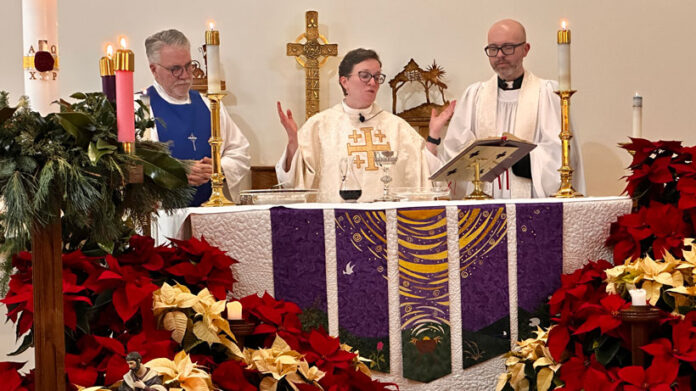
“Down the centuries, Christians have looked for definitions of ‘vocation’ somewhere between the trivial sense of ‘just a job’ and the hard-to-believe image of a miraculous voice from heaven,” William C. Placher wrote in Callings: Twenty Centuries of Christian Wisdom on Vocation (Eerdmans, 2005). Somewhere in that breadth of definition are deacons and priests who plied other trades before their ordination in the Episcopal Church.
Several clerics discussed their experiences with TLC, and how those moments helped them be present when God called them away from their first, or even second, professions.
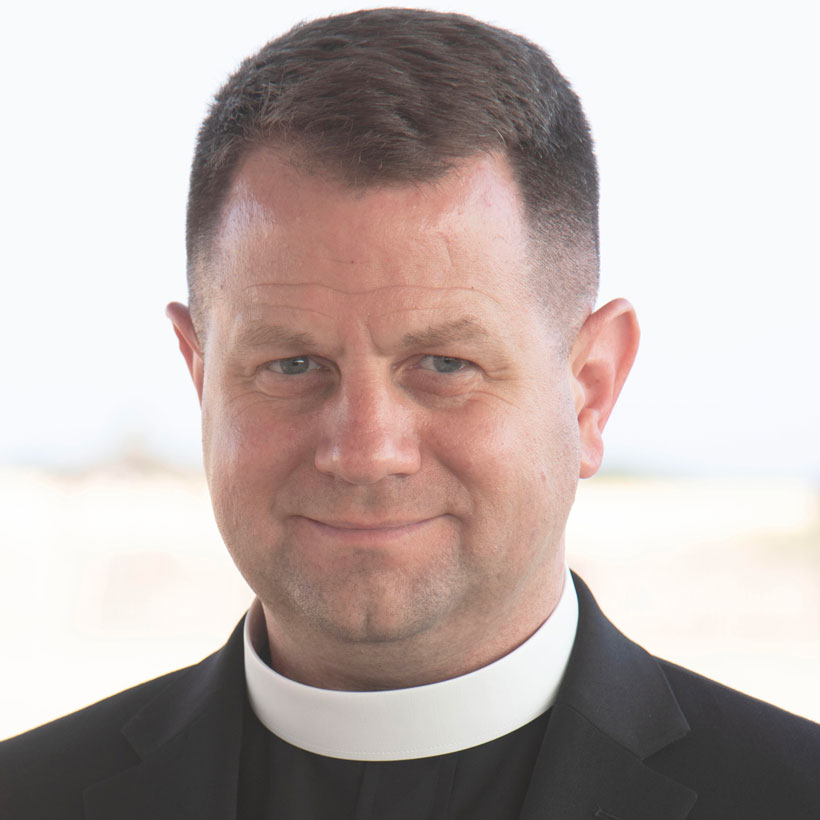 Matthew Sanfilippo, priest in charge, Church of the Resurrection in Kew Gardens, and All Saints’ Episcopal Church in Woodhaven, New York
Sanfilippo served as an EMT/police officer and was on the ground as a first responder in Manhattan on 9/11, surviving the first collapse of the World Trade Center’s South Tower. Sanfilippo embraces the connections between his work before he was ordained and his vocation as a priest.
He considers all public service a calling from God, and is a chaplain to Manhattan’s first responders. The path to ordained ministry became more distinct when he experienced “something sacramental” when on a response call to the tragic murder of a newborn. A deep sense of welcoming when he visited St. Paul’s in Manhattan echoed that call.
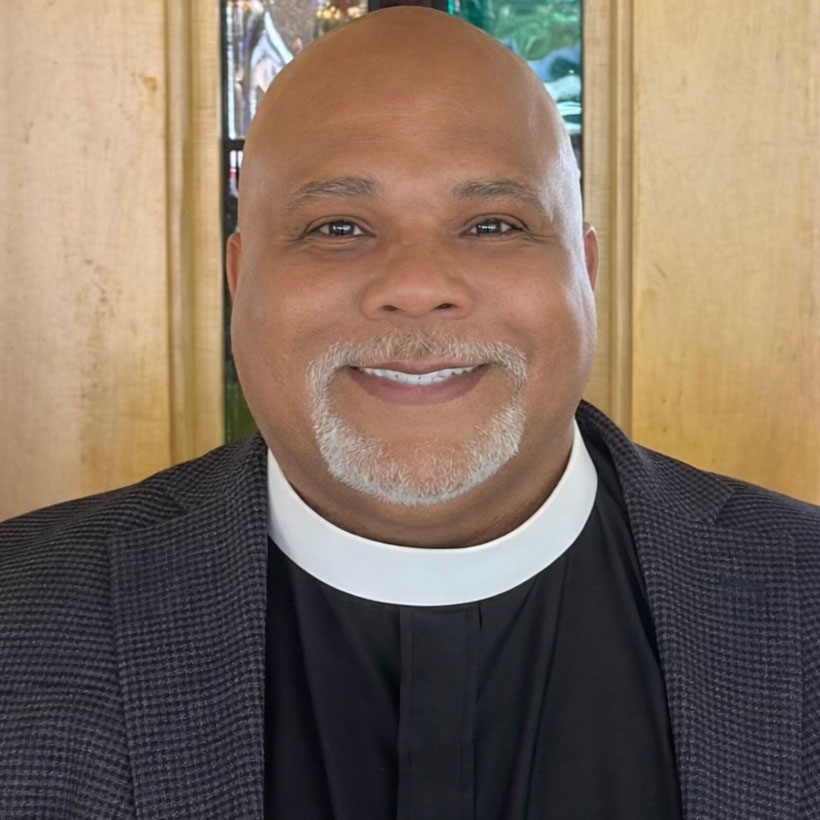 Scott D. Madison, curate, Resurrection South Episcopal Church in Austin, Texas
Madison worked in radio marketing and as a sometime show host, though his last secular job was in digital merchandising. He speaks of vocation as “doing the things that God is calling you to do,” but he knows not everyone finds that sweet spot in which career and vocation are in sync.
“It’s completely OK for your vocation and career or job to be two separate things,” he says. “It doesn’t make you any less worthy or pious. It makes you a child of God.” As a curate, he is still discerning his ministry as a priest, but he is certain about his strong relationship with God, even after his mom’s recent death, using morning coffee time as conversation time.
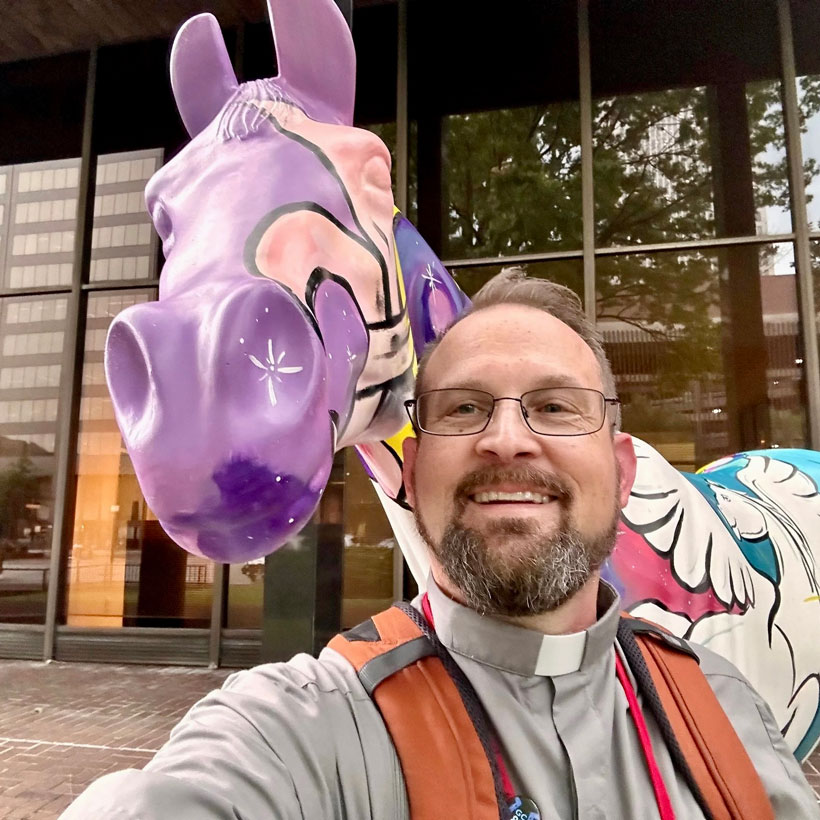 Greg Rainey, deacon at St. John the Evangelist Episcopal Church in Milwaukie, Oregon
Rainey’s time in the Coast Guard and the Marine Reserves was a “long time of discernment.” In 2010, a discernment retreat in Knoxville, Tennessee, set him firmly on the path to the diaconate.
The passion in his voice is palpable when he speaks of God’s call for him to be in liminal spaces, and to call people to serve in the world. Rainey also values his role in the liturgy, supporting clergy and laity. In addition to his role in the church, he is also a counselor in private practice. All of this is of a piece to him, all a part of his vocation.
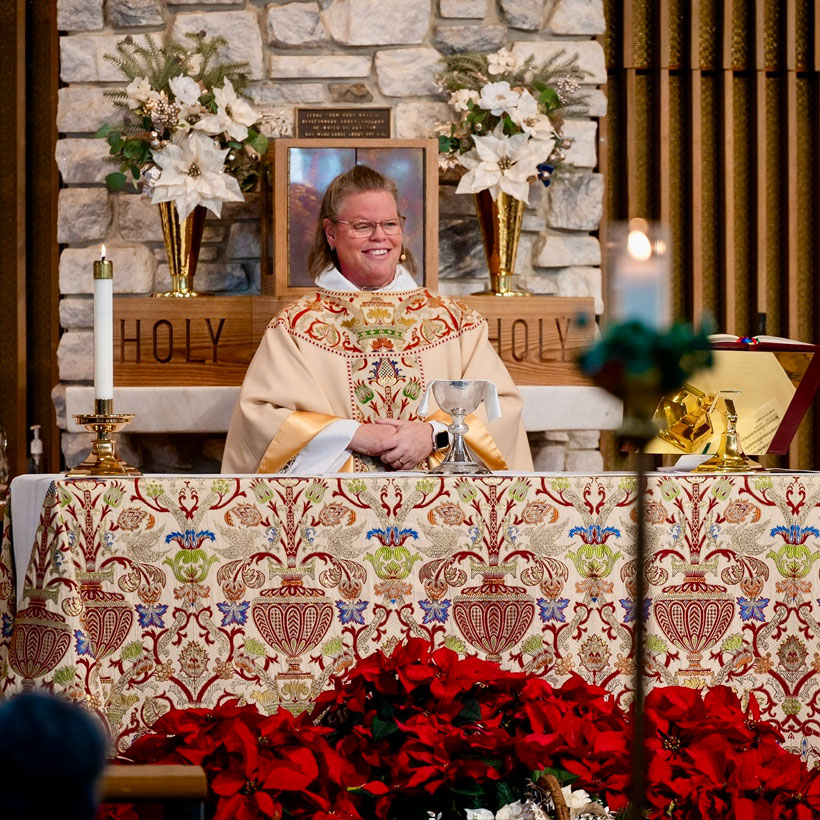 Sandra Rogers, vicar of Resurrection Episcopal Church in Largo, Florida
Rogers says she felt a “weird nudge” after years in the computer forensics field, working at a San Francisco startup until the COVID pandemic. That nudge led her back to Florida, and through discerning a call to the priesthood. She considers her career as “just work,” but still loves tech and uses her expertise as pastoral care—giving time to parishioners and other parishes in her diocese who feel lost in technology.
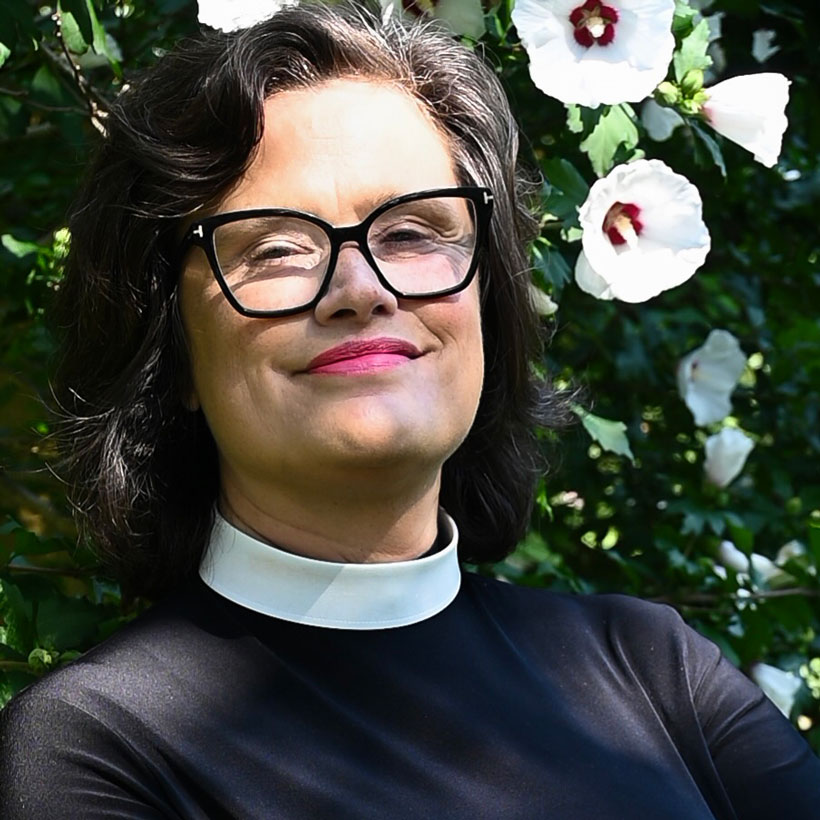 Amy Slaughter, rector, St. Francis Episcopal Parish and Community Center in Timonium, Maryland
Slaughter says she was “always a Franciscan but didn’t know it.” She is now a novice in the Anglican Third Order of the Society of St. Francis. Franciscan spirituality informs her priesthood—it fits under the umbrella of her call to be “in community in a particular way.” As a young woman, she trained for a scholarly career in critical theory, but coalition-building and “people-based advocacy” drew her into ordained ministry.
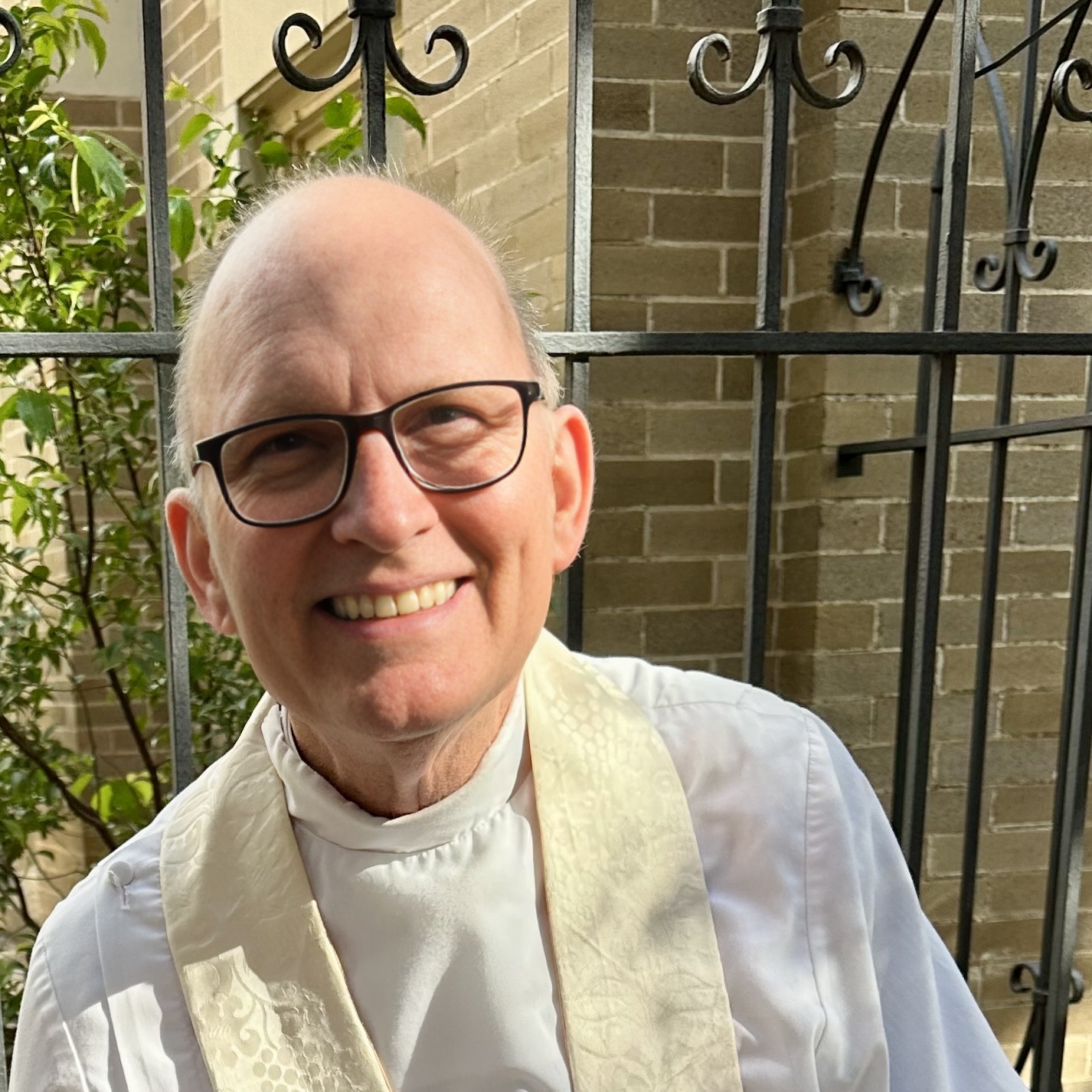 Patrick Gahan, vicar of St. Boniface Episcopal Church in Comfort, Texas
Talking about his call, Gahan freely admits that as a young man, he ran away from God’s call to ordained ministry. He was “rough around the edges,” and he names serving in the Army as his first vocation, crediting it with much of his formation, maturing his discipleship. Supporting his men kept him grounded and taught him humility. His avocation is sharing his wisdom on his Substack, Letter from a Pilgrim Soul.
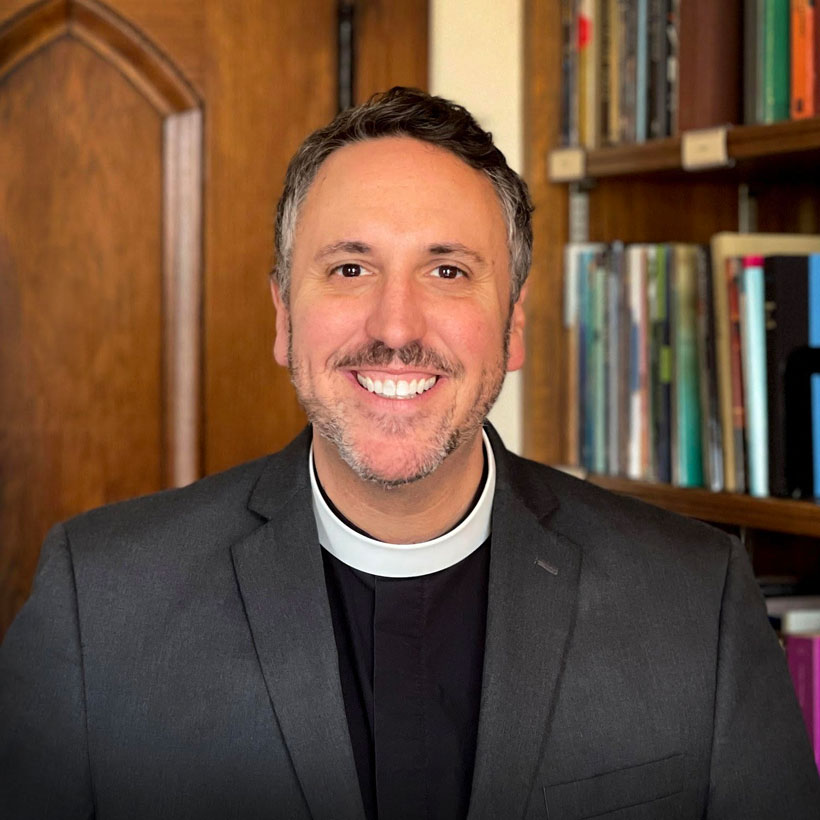 Greg Milliken, rector of St. Matthew’s in Evanston, Illinois
While Milliken was working in the creative marketing department at Fox Searchlight Pictures, he felt a “nagging call in his soul, head, and heart,” and entered discernment at All Saints’ in Beverly Hills.
In 2025, he marked the 10th anniversary of his ordination—his third calling. Taking risks, being ready for the unexpected, and being comfortable with improvisation are among the insights from Hollywood life that Millikin says serve him well now in his role as a rector and in the larger church. Working on the marketing for Juno (2007) was “fun” because “the sky was the limit,” growing his “dream big” outlook that he uses to cultivate an “awareness of the church.”
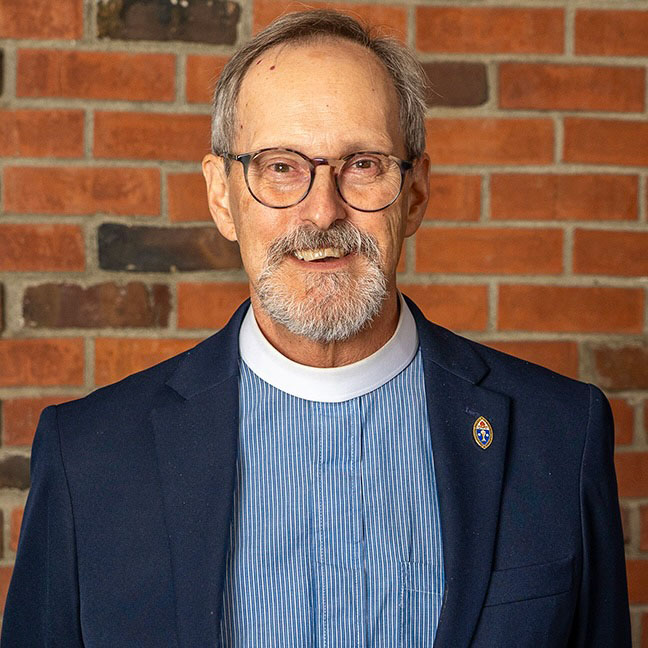 James Richardson, associate priest at Trinity Episcopal Cathedral in Sacramento, California
“A person’s lifework can change,” Richardson says about vocation. For much of his adult life, his work as a journalist for newspapers such as The Sacramento Bee was a deep part of his identity, so much so that during seminary, he underwent a spiritual and emotional deconstruction and reconstruction.
Richardson describes himself now as a priest with a journalist’s eyes and ears. His work with racial justice includes writing books, such as The Abolitionist’s Journal: The Memories of an American Antislavery Family, about his abolitionist ancestors and the founding of Huston-Tillotson, a historically Black college in Austin, Texas.
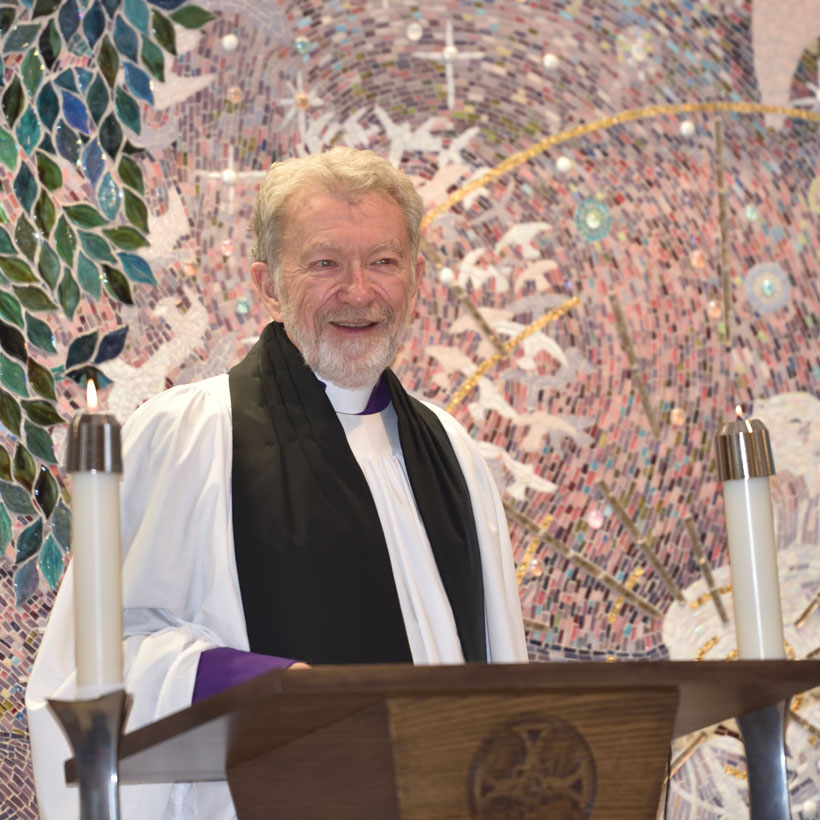 Raymond Raney III, priest at Trinity on the Hill Episcopal Church in Los Alamos, New Mexico
Raney has served God’s people both in the secular world and in the Episcopal Church in a variety of ways—including journalist, media arts teacher, and retired clergy advocate. He spent fall 1967 to fall 1968 in Vietnam as an Intelligence Operations Specialist—a non-combatant role.
Navigating his callings led him eventually into the Episcopal priesthood, though his spirituality encompasses Alan Watts and Zen Dao. He served as canon to the ordinary in the Diocese of the Rio Grande, stepping down in 2019, and he preaches at Trinity on the Hill in Los Alamos and advocates for a change to clerical retirement age.
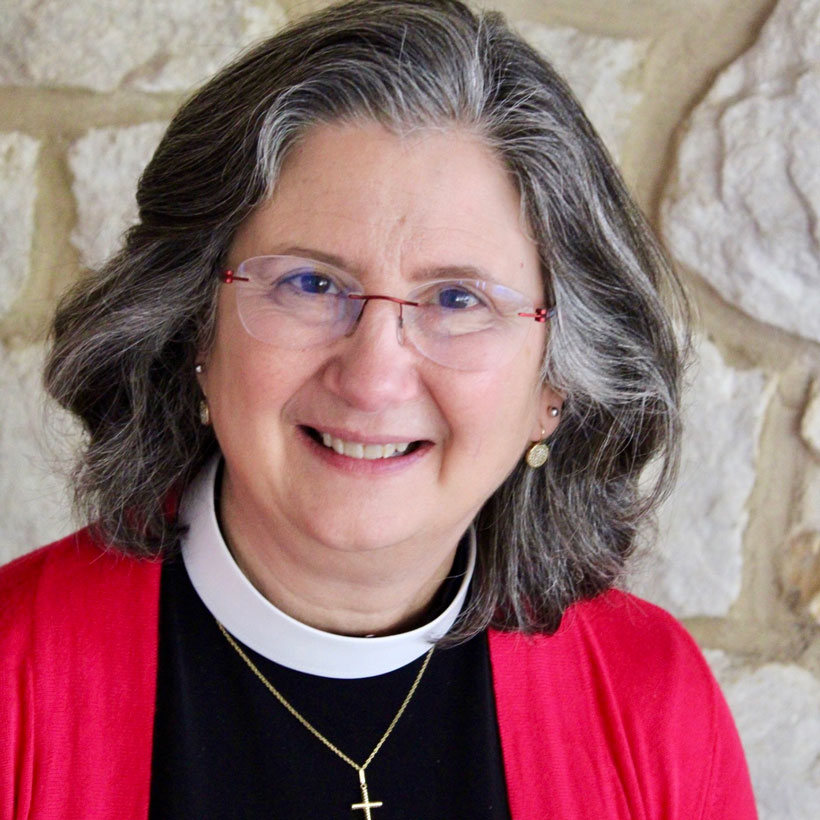 Maryann D. Younger, rector of St. Philip’s in Durham, North Carolina
Being your true self in front of God and trusting and following that is how Younger defines vocation, adding that God uses “every little bit” of a person’s experience on the journey, regardless of whether the journey is toward ordained ministry or lay ministry.
Before her ordination to the priesthood in 2020, she worked in the hospitality industry for a major hotel chain and then dedicated her time and talent to a Montessori school owned by her mother. Her leadership at United Way in Delaware and at her church helped her hear God’s call to ordained ministry.
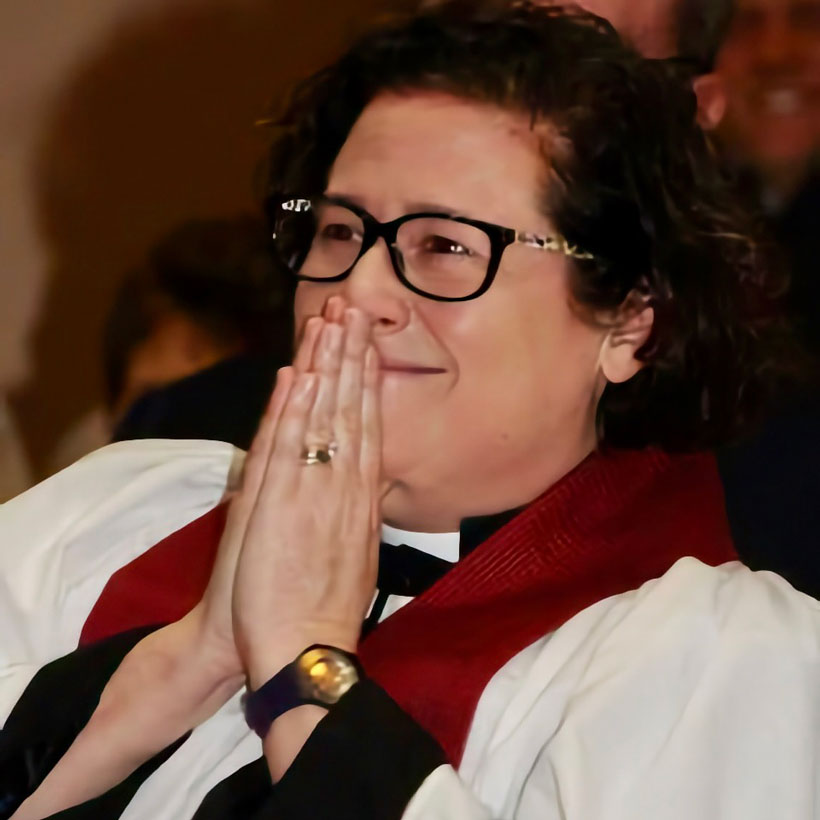 Susan Ironside, rector of Grace Episcopal Church in Madison, New Jersey
Susan Ironside is a trained RN who fell in love with the church. Her call to the priesthood is evident in how she describes her vocation as the “joy of watching others do the work they were born to do.”
One of her first words to describe her relationship to God was weird, but then added that it involved more trusting and less control on her part. The pastoral care inherent in serving vulnerable patients through Adult Protective Services evinces itself now not only as a rector caring for her congregation but also as a dedicated instructor of the Episcopal Preaching Foundation.
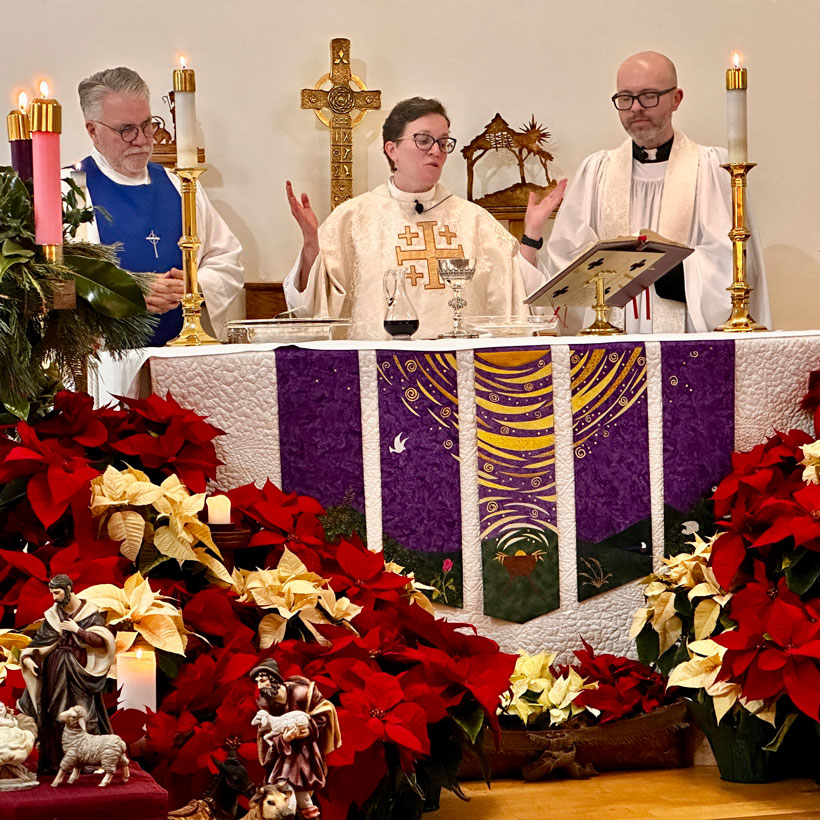 Alane Osborne, curate of St. Anne Episcopal Church in West Chester, Ohio
Osborne has a broad definition of vocation. She speaks in terms of transitions and between the multiple vocations in her life. Vocation as a music therapist, as a parent, and as a priest have all formed her.
As a priest, she teaches the “most basic and important” vocation: living by the baptismal covenant. Her skills acquired from musical therapy training overlap with how she lives by her call, and she credits them with keeping her grounded and flexible in her ministry. She plays the piano, violin, guitar, and the upright bass.

Christine Havens is a writer and a graduate of the Seminary of the Southwest. She is passionate about literature and theology. Her work has appeared on Mockingbird Ministries’ blog, Mbird, and in Soul by Southwest, the seminary’s literary journal.
